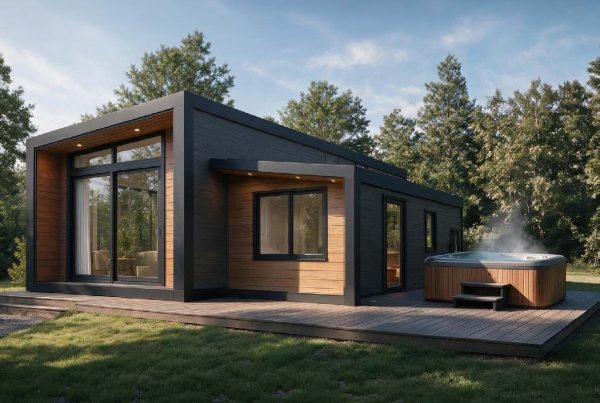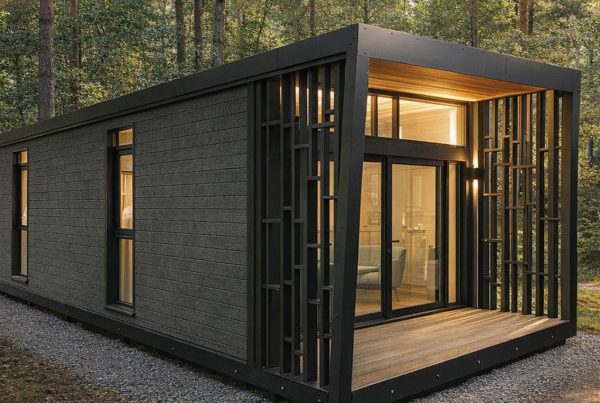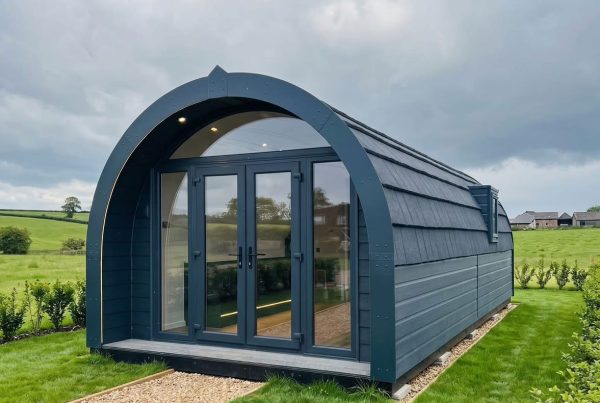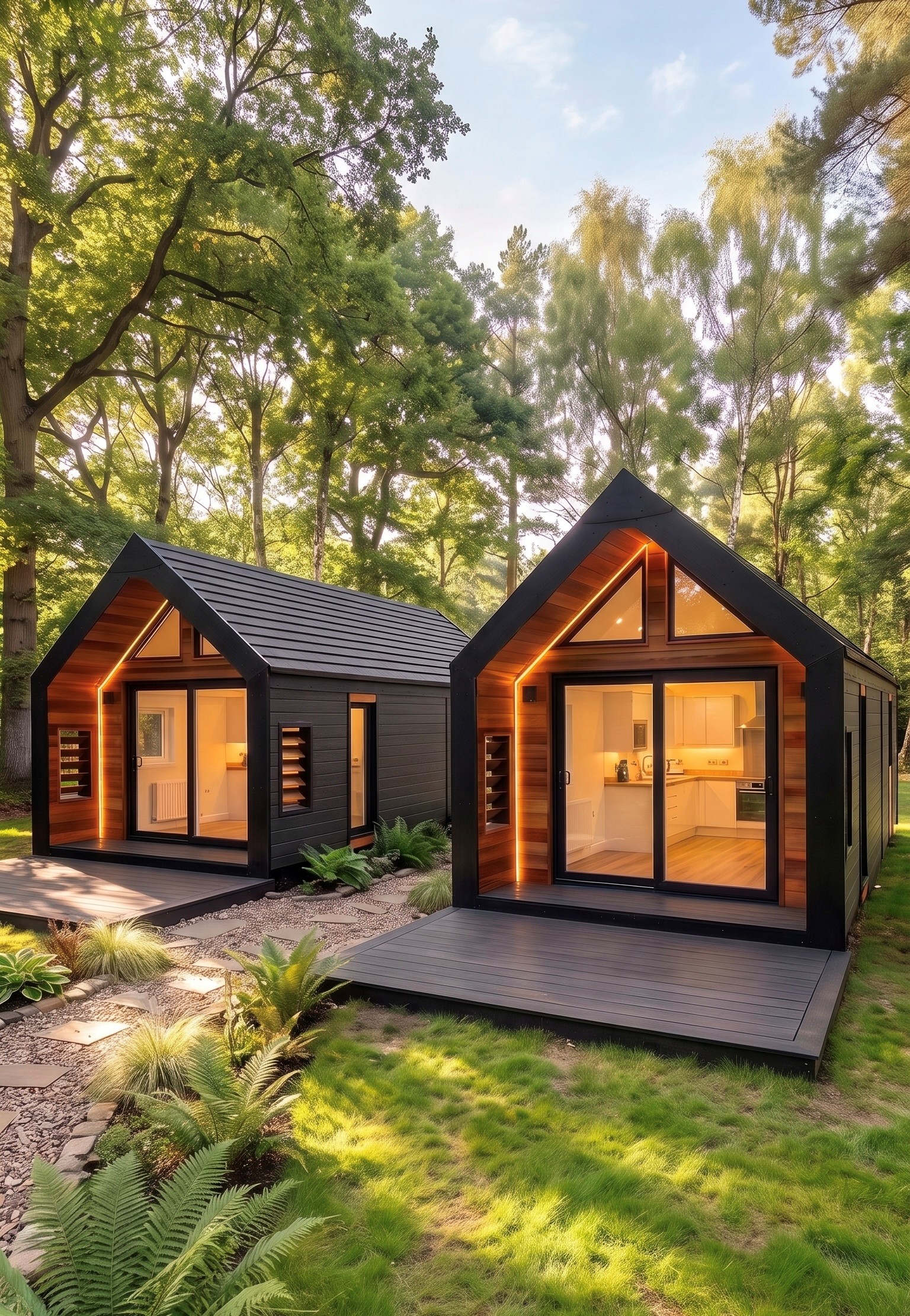

From your first site assessment to a glamping cabin planning application
Turning a piece of land into a successful glamping destination starts with a good idea, but understanding the planning requirements is an essential early step.
For UK landowners considering their first glamping cabin development, the process can seem complicated. Is the land suitable? What will the local planning authority expect? How many cabins could the site accommodate? What about access, drainage, landscaping and utilities?
These are important questions to answer before investing in accommodation or beginning work on the site.
The British Pod Company offers planning permission services designed to help landowners and glamping start-ups explore the potential of their land, assess development options and prepare the documentation needed for a planning application.
From an initial site appraisal through to application submission, the aim is to provide practical support that helps turn an early idea into a more clearly defined rural tourism development.
Starting with the potential of your land
Every site is different. A field beside an existing farm business presents different opportunities and challenges from a wooded plot, a former commercial site or land close to an established tourist destination.
Before deciding which glamping cabins to buy, it is worth understanding the opportunities and constraints of the land itself.
A site assessment can help explore questions such as:
- How might the proposed development fit into the landscape?
- What number and type of cabins could be appropriate to investigate?
- Is there suitable access for guests, deliveries and emergency vehicles?
- How could electricity, water and wastewater be provided?
- Are there potential environmental, ecological or landscape considerations?
- Which planning policies and local requirements could influence the proposal?
The British Pod Company’s planning service includes site appraisals, site visits and feasibility work to explore development options. This provides a starting point for considering how a proposal might be developed before committing to significant expenditure.
An initial assessment cannot guarantee that planning permission will be granted, but it can help identify important questions and areas that need further investigation.
UK glamping pod planning permission: what do you need to know?
One of the most common questions for first-time developers is whether planning permission is required for a glamping cabin or pod.
The answer depends on the circumstances. The type of structure, its proposed use, how and where it will be installed, and the wider development all matter. A prefabricated or relocatable cabin should not automatically be assumed to be exempt from planning requirements.
For example, using land for commercial holiday accommodation may raise different planning considerations from placing a garden building within the grounds of a home for incidental domestic use.
A proposed glamping development may need assessment in relation to matters including:
The proposed use of the land
The planning implications of operating a commercial glamping business can differ from those associated with ordinary agricultural or domestic use.
The scale and layout of the development
The number of cabins, their dimensions, positioning, appearance and relationship to neighbouring properties may all be relevant.
Access and infrastructure
Vehicle access, parking, water supply, drainage, electricity and waste management may need to be addressed as part of the proposal.
Landscape and environmental impact
The location may bring additional considerations, particularly where the site is within or close to a protected landscape or environmentally sensitive area.
Local planning policy
The relevant planning authority will assess the proposal against the applicable planning policies and other material considerations.
Requirements differ across the UK, so advice should be based on the actual site and the proposed development. The sensible starting point is to establish the planning position before ordering cabins or carrying out substantial site works.
How our planning permission services work
For landowners who have never submitted a planning application, knowing where to begin can be one of the biggest obstacles.
The British Pod Company offers support across the main stages of the planning process, helping customers develop their proposals and prepare the information required for submission.
1. Site appraisal and initial assessment
The process begins by considering the land, the intended development and the opportunities available.
A site visit and appraisal can help identify potential constraints, understand the proposed use and establish which areas may need further investigation.
2. Feasibility and development options
Once the initial requirements are understood, the next step is to explore suitable development options.
This may involve considering the number and arrangement of cabins, the overall site layout and how the proposal could work alongside access routes, parking, landscaping and supporting infrastructure.
The objective is to develop a clearer picture of what may be achievable and what further information is required.
3. Drawings and supporting documentation
A planning application needs to communicate the proposed development clearly.
The British Pod Company’s published planning service includes a drawing pack, with existing and proposed site plans, alongside a feasibility study and a comprehensive planning statement.
Depending on the site and application, additional surveys, technical reports or specialist input may also be needed.
4. Planning application preparation and submission
Once the proposal and supporting information have been developed, the application can be prepared and submitted to the relevant Local Planning Authority.
The company’s service includes support with full planning applications and liaison with the planning authority. It can also coordinate with third-party surveyors and contractors where required.
The exact scope of work will depend on the project and should be confirmed before the process begins.
5. Understanding the next steps
Submitting an application is an important milestone, but it does not guarantee approval.
The planning authority will assess the proposal and may request further information or impose conditions if permission is granted. The next steps will depend on the decision and the requirements attached to it.
Having appropriate support throughout the process can help landowners understand what is needed and plan for the stages that follow.
Planning for low-impact tourism
Many landowners exploring rural tourism development want to create attractive accommodation while respecting the character of their surroundings.
A carefully planned glamping cabin scheme may offer an alternative to a more extensive building project, but the environmental and planning implications depend on the whole development, not simply the size or construction method of the individual cabin.
Good early planning considers how the cabins will sit within the landscape, the amount of ground preparation required, how guests will access the site and how essential services will be provided.
It is also important to identify any ecological constraints, drainage requirements or landscape considerations that could affect the proposal.
The British Pod Company offers support with planning and wider development services, helping customers consider the accommodation alongside the infrastructure needed to make a site work.
For suitable sites, its steel piling solution may provide an alternative to conventional concrete foundations. Suitability depends on ground conditions and the requirements of the individual project, and the choice of foundation does not determine whether planning permission will be granted.
Taking a joined-up approach to the planning and infrastructure requirements can help landowners develop a more considered proposal from the outset.
From planning permission to a complete glamping development
Planning is one part of the journey. Once the development has been assessed and the necessary approvals are in place, the project may still require site preparation, foundations, utility connections, cabin manufacture, delivery and installation.
Managing these elements requires coordination, particularly where several cabins or significant infrastructure works are involved.
The British Pod Company’s wider services extend beyond planning applications to include land infrastructure, pod manufacture, insulation, delivery and installation. The company can discuss the services required for an individual project and provide a quotation based on its scope.
Not every landowner will need every service. Some sites may already have suitable access and utilities, while others may need more extensive preparation.
Clarifying responsibilities, costs and dependencies early helps establish what is included and which additional contractors or specialists may be required.
For first-time developers, having the planning and accommodation discussions connected can be useful when working out the sequence of decisions that need to be made.
Who can benefit from planning support?
The service may be relevant to a range of landowners and businesses considering a new glamping venture.
Farmers exploring diversification
Glamping may be one option to investigate when considering additional income opportunities from rural land. The planning position, site suitability and commercial case all need to be assessed.
Landowners with unused or underused land
A site that appears suitable for tourism accommodation still needs to be assessed for access, infrastructure, environmental constraints and planning policy before a development can be confirmed.
First-time glamping business owners
For glamping start-ups, planning support can help bring structure to the early stages, when many of the requirements and costs are still being established.
Existing holiday accommodation operators
Businesses looking to expand or introduce a new style of accommodation may benefit from reviewing the planning requirements before deciding on the number and type of additional units.
In each case, the starting point is the same: understand the land, define the intended use and establish what needs to be investigated before committing to the development.
Take the first step towards your glamping cabin project
Planning permission does not need to be the part of a glamping project that you tackle alone.
The British Pod Company’s planning permission services can help you explore the development potential of your land, consider possible layouts and prepare the documentation required for an application.
Whether you are a farmer considering diversification, a landowner exploring low-impact tourism or a first-time operator planning a small glamping site, an early conversation can help establish the most appropriate next steps.
Find out more about our planning permission services and complete glamping development services.
To discuss your land and proposed project, contact The British Pod Company:
Telephone: 01524 956914
Email: sales@thebritishpodcompany.co.uk
Start with the land, understand the planning requirements and build your glamping development on a well-considered foundation.