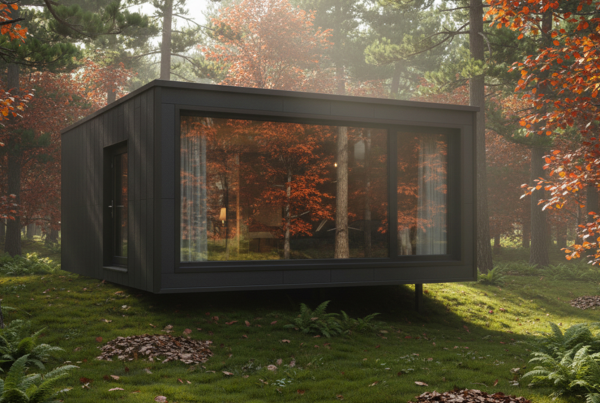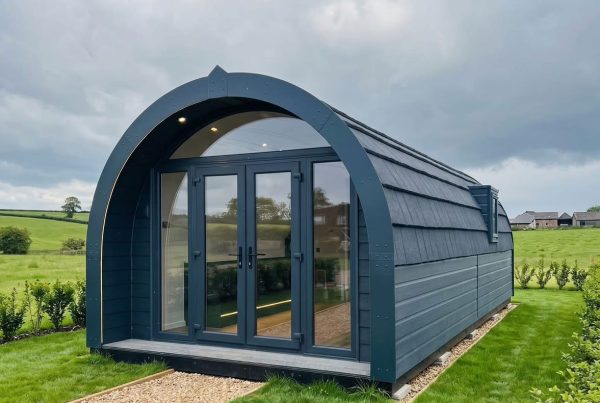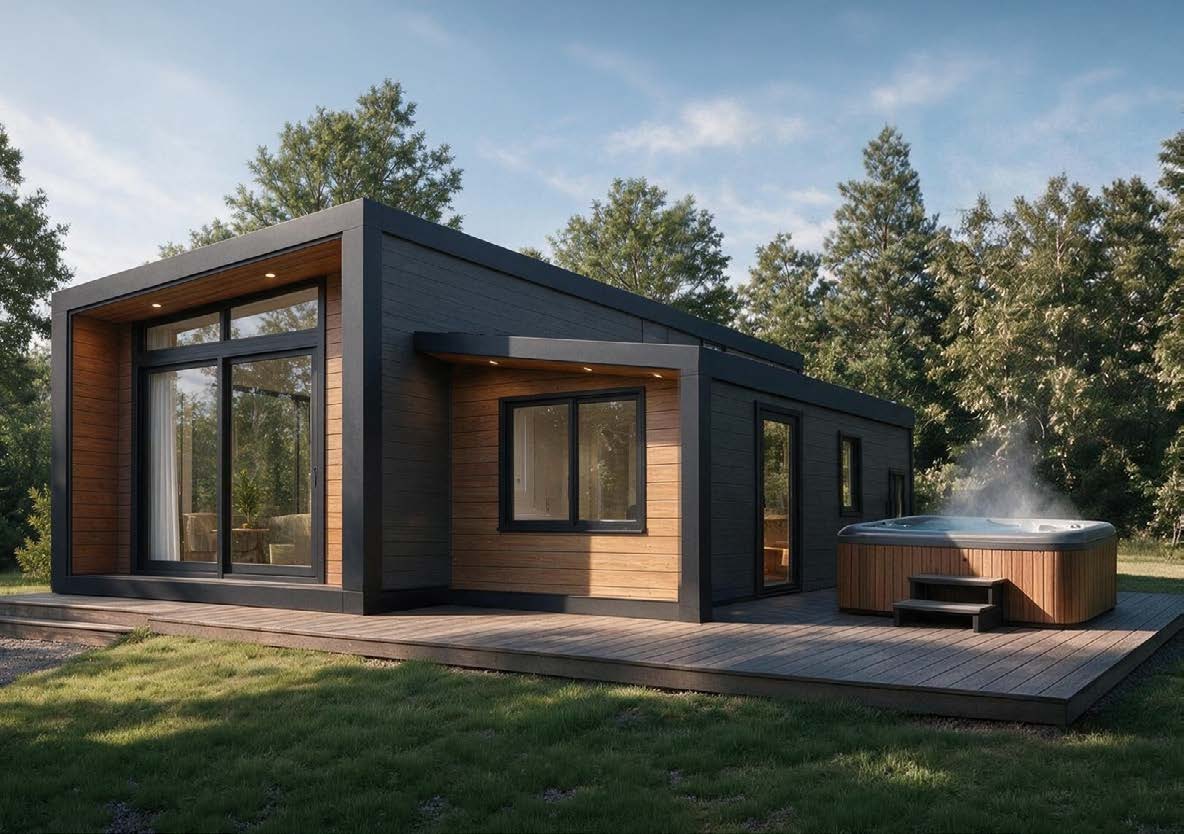

Glamping pods are becoming an increasingly interesting option for people looking to create distinctive accommodation, make better use of suitable land or develop a new tourism business. From a luxury garden retreat to a collection of self-contained units on a rural estate, the right pod can provide a practical starting point for a wide range of projects.
But choosing a glamping pod involves more than selecting a design you like. You need to consider how the accommodation will be used, who it is intended for, what facilities it requires and how it will fit into the surrounding site.
For homeowners, the priority might be creating comfortable garden guest accommodation or exploring the potential of a holiday let. For landowners, farmers and existing operators, the objective may be to develop tourism revenue, expand an established business or introduce premium accommodation to an existing site.
This guide explains what to consider when choosing glamping pods in the UK for 2027, including the different types available, planning and installation, year-round comfort, potential revenue and the practicalities of running self-contained accommodation.
It also explores the range of pods available from The British Pod Company, a British manufacturer based in Lancashire, and how different designs may suit different projects.
What is a glamping pod?
A glamping pod is a purpose-designed accommodation unit that provides a more substantial alternative to traditional camping. Depending on its design and specification, it may include sleeping accommodation, a fitted kitchenette, a private bathroom, heating, insulation and a dedicated living area.
Some pods are compact structures designed primarily for sleeping, with guests using shared site facilities. Others are fully fitted, self-contained units that allow visitors to prepare meals, wash and relax within their own accommodation.
The term covers a broad range of designs, so it is important to compare actual specifications rather than assume all glamping pods provide the same facilities.
For commercial operators, a self-contained pod may offer an attractive alternative to a conventional holiday cabin or lodge. For homeowners, a smaller garden building may be suitable for certain guest uses, provided the design, intended use and relevant permissions are appropriate.
Why consider glamping pods in 2027?
There are several reasons why a glamping pod project may be worth exploring:
- Tourism development: Suitable land may offer an opportunity to create a new holiday accommodation business.
- Holiday park expansion: Existing operators can investigate adding a different accommodation type alongside caravans, lodges or camping pitches.
- Farm diversification: Rural businesses may explore tourism as an additional activity alongside their established operations.
- Premium guest accommodation: Self-contained facilities and distinctive design can help create a more substantial guest experience.
- Garden guest accommodation: Homeowners may investigate a separate guest space, subject to the intended use and planning requirements.
- Flexible project sizes: Some developments begin with one unit, while others form part of a wider site plan.
None of these opportunities guarantees a commercial return. Their suitability depends on the location, demand, development costs, planning position and how the accommodation will be operated.
What types of glamping pod are available?
The right type of pod depends on your intended guests, the facilities you want to provide and the space available.
The following categories are a useful starting point.
1. Compact glamping pods
Compact pods make efficient use of space and may suit couples, short breaks or smaller accommodation developments.
They can be useful when the priority is a straightforward guest experience rather than extensive internal living space. However, buyers should check whether the unit has a private bathroom and kitchen or relies on shared facilities.
For commercial use, think carefully about how the smaller footprint will affect luggage storage, seating and the overall guest experience.
2. Family glamping pods
Family accommodation requires a different approach to layout.
Separate sleeping arrangements, practical kitchen facilities, a private bathroom and enough living space for everyone can make a substantial difference to a stay.
The Big British from The British Pod Company is designed for families and groups, with an advertised capacity of up to six guests, depending on the selected configuration. It offers a wider format than the company’s more compact Tunnel pod.
For operators targeting school holidays and family group stays, this type of layout is worth exploring.
3. Premium self-contained accommodation pods
Premium pods combine sleeping accommodation with facilities such as a fitted kitchen, private bathroom and comfortable living area.
They may suit holiday parks, rural estates and glamping businesses looking to provide a more complete alternative to traditional camping.
The Apex range from The British Pod Company uses a mezzanine design to create a distinctive interior layout. The Incline range offers a different architectural style, while models such as the Apex Side Entry provide alternative entrance and bedroom arrangements.
When comparing premium accommodation, consider the whole specification rather than appearance alone. Insulation, glazing, heating, kitchen equipment, bathroom facilities and durability are all important.
4. Luxury and specialist retreat pods
Some projects are designed around a particular experience rather than maximum occupancy.
Examples include couples’ retreats, wellness accommodation and distinctive short-break destinations. A more specialised design may incorporate features such as a sauna, a spa bathroom or bespoke interior finishes.
The Incline Retreat is an example of this approach, with a separate spa wing, private sauna, free standing bath and rainfall shower.
For operators, specialist accommodation may provide a way to differentiate a site, although the commercial case should be tested against local demand, operating costs and the investment required.
Which glamping pod is right for your project?
It helps to start with the purpose of the development rather than choosing a model first.
| Your project | What to prioritise | BPC range to explore |
|---|---|---|
| Couples’ short-break accommodation | Privacy, comfort and distinctive design | Incline or Chapel |
| Family holiday accommodation | Sleeping arrangements, kitchen facilities and living space | Big British or Apex |
| Premium self-contained guest stays | Fitted facilities, layout and year-round specification | Apex or Incline |
| A more compact glamping development | Efficient use of space and practical facilities | Tunnel |
| A larger family unit with a different entrance layout | Bedroom configuration and access | Apex Side Entry |
| A specialist luxury retreat | Bespoke design and experience-led features | Incline Retreat |
These are starting points, not fixed rules. The best choice depends on the exact specification, site conditions, guest profile and budget. The manufacturer’s current brochure and quotation should be used to confirm dimensions, available layouts, inclusions and optional extras.
How much do glamping pods cost in the UK?
The cost of a glamping pod varies according to its size, construction, interior specification and the facilities included.
A compact unit without a full kitchen or bathroom will have a different cost profile from a premium, self-contained pod with extensive insulation, fitted appliances and a more elaborate interior.
The purchase price is also only one part of the overall project.
What affects the price of a glamping pod?
Size and layout
Larger pods generally require more materials and may have more extensive internal fittings. Separate bedrooms, mezzanines and additional living space can also influence the specification.
Kitchen and bathroom facilities
A fitted kitchenette, oven, fridge, shower room and hot-water system all contribute to the overall package. Check which items are included as standard and which are optional extras.
Insulation and heating
If you intend to offer year-round accommodation, it is important to understand the insulation, glazing and heating specification rather than comparing prices in isolation.
Customisation
Changes to the layout, cladding, glazing, cabinetry and specialist features may affect the final price.
Delivery and installation
Transport, offloading and installation arrangements depend on the unit, site access and distance involved. Confirm these costs with the manufacturer.
Groundworks and services
Foundations, drainage, electricity, water supplies, access routes and landscaping may form a substantial part of the overall project cost.
Remember the full project budget
Before committing to an order, build a project budget that covers:
- The pod itself and any optional extras.
- Planning advice, surveys and application costs where required.
- Site preparation and foundations.
- Water, electricity, drainage and other services.
- Delivery, offloading and installation.
- Access, parking, paths and landscaping.
- Furnishings, bedding, kitchen equipment and guest supplies.
- Insurance, maintenance, cleaning and ongoing operating costs.
- Website, booking systems, marketing and payment fees.
Ask for an itemised quotation that makes clear what is included and what remains your responsibility.
For an initial overview of the available configurations, use The British Pod Company’s Pod Builder or request a brochure and quotation.
Can glamping pods generate tourism revenue?
For landowners and operators, glamping pods may provide an opportunity to develop a tourism business or expand existing accommodation.
However, revenue potential depends on more than the number of pods installed. Location, accessibility, local attractions, guest demand, competition, facilities and the quality of the accommodation all influence the commercial picture.
Understand your potential guests
Before developing a revenue forecast, decide who you want to attract.
A family-focused site will have different requirements from a couples’ retreat. Families may prioritise sleeping capacity, practical kitchen facilities and outdoor space, while couples may place more emphasis on privacy, design and specialist features.
Understanding the intended market helps you select an appropriate pod and estimate a realistic nightly rate.
Calculate revenue using scenarios
An initial model should use assumptions that you can test, rather than relying on a manufacturer’s illustrative income claim.
For example, imagine a single pod is advertised at £150 per night and achieves 40% occupancy across a 365-day year.
That would equate to:
- 146 booked nights.
- £21,900 in annual gross accommodation revenue.
This is an illustrative calculation, not a forecast. It assumes the unit can be let throughout the year and that the nightly rate remains constant. Actual results may be lower or higher, and seasonal pricing may change the outcome.
The figure is gross revenue, not profit. It does not deduct cleaning, laundry, utilities, booking commissions, marketing, insurance, maintenance, finance, tax, staff time or the initial investment.
For a useful business plan, model several occupancy and pricing scenarios. Include seasonal differences and account for the time required to clean, maintain and manage the accommodation.
Consider the whole site
If you are planning more than one pod, look at the overall business rather than multiplying a single-unit estimate.
You will need to account for shared infrastructure, access, parking, landscaping, waste management and the practical demands of operating a larger site.
Adding more units may increase potential booking capacity, but it also increases the investment and operational responsibilities. The best development size is the one supported by the site, permissions, demand and available budget.
For a more detailed look at this subject, read our guide to farm diversification with glamping cabins.
Planning permission for glamping pods in the UK
Planning is one of the most important considerations when assessing a glamping pod project.
A pod’s size, construction, permanence, proposed use, location and associated infrastructure can all affect the planning position. Rules and processes also vary across England, Wales, Scotland and Northern Ireland.
You should not assume that a pod is exempt from planning permission simply because it is described as portable, temporary or a garden building.
Glamping pods on commercial sites
If you are considering a glamping business or adding units to an existing holiday park, speak to the relevant local planning authority before committing to the development.
The assessment may need to consider the proposed use of the land, access, parking, drainage, landscape impact, neighbouring properties and any relevant site designations.
National parks, protected landscapes and other sensitive locations may have additional planning considerations.
Where appropriate, seek professional planning advice and provide clear information about the intended number of pods, dimensions, site layout and services.
Garden guest accommodation
Homeowners need to distinguish between an ordinary garden building and a unit intended for self-contained living or paying guests.
Permitted development rights for domestic outbuildings have limitations, including restrictions relating to use. A building that might be acceptable as a home office or incidental garden room does not automatically qualify for use as independent guest accommodation or a holiday let.
If you intend to let a pod to paying guests, contact your local planning authority to establish the requirements for your particular property and proposed use.
What about planning support?
The British Pod Company offers planning-related services for glamping developments, including site appraisal, feasibility work and support with planning applications.
Find out more about its planning permission service and complete services for glamping projects.
Important: Planning permission is site-specific, and no manufacturer can guarantee approval. Obtain the relevant advice and approvals before starting development.
How to make glamping pods suitable for year-round accommodation
If you want to offer self-contained accommodation beyond the summer season, the building specification and supporting infrastructure deserve particular attention.
A pod marketed as suitable for year-round use should be assessed on its actual construction and facilities.
Insulation and glazing
Ask for the insulation specifications for the floor, walls and roof or ceiling. Check the window and door specification too, as these influence how well the building retains heat.
The Apex range, for example, has published specifications that include 200mm floor insulation, 140mm wall insulation and 120mm rigid ceiling insulation. Buyers should confirm the current specification for the exact model they are considering.
Heating and ventilation
The heating system needs to be appropriate for the size and use of the accommodation. Ventilation is also important for indoor air quality and moisture management, particularly in a compact unit with a kitchen and shower room.
Ask how the heating, ventilation and hot-water systems work together and whether any additional equipment is required for your proposed use.
Water, drainage and winter protection
External services must be suitable for the site and the conditions in which the pod will operate.
Discuss water supply, waste-water arrangements and protection against freezing with the relevant installers. The complete installation matters just as much as the pod itself.
Guest comfort
Think about how guests will use the space during wet or cold weather.
Comfortable seating, adequate storage, a practical kitchen and a well-designed bathroom can all improve the experience. These features are particularly important if visitors are likely to spend substantial time indoors.
Maintenance and durability
For commercial accommodation, choose materials and finishes that are practical to clean and maintain. Plan for inspections, repairs and replacement of frequently used fittings.
Ask the manufacturer about maintenance requirements, warranty coverage and how to access services or replace components if needed.
Are glamping pods a low-impact tourism option?
Glamping can provide a way to introduce visitor accommodation into rural settings, but the environmental impact of a development depends on its design, construction, location and operation.
A pod should not automatically be described as sustainable or environmentally friendly simply because it is smaller than a conventional building.
Consider the full development
Relevant factors include:
- The amount of land and vegetation affected.
- The type of foundation and the groundworks required.
- The materials used in construction.
- The energy required for heating, hot water and electricity.
- Water consumption and waste-water management.
- Vehicle access, deliveries and guest travel.
- The number and placement of units.
- The long-term maintenance and lifespan of the accommodation.
A carefully planned layout may help reduce unnecessary site disturbance, while an appropriate foundation system may offer advantages on particular sites.
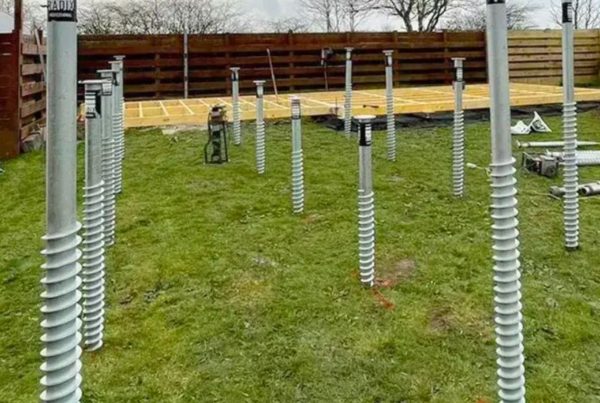
The British Pod Company’s steel piling solution is one option to discuss where conventional foundations may not be appropriate. Whether it is suitable depends on ground conditions, structural requirements and the wider project; it should not be assumed to have a lower environmental impact in every situation.
Make evidence-based sustainability claims
If environmental performance is a priority, ask suppliers for specific evidence about materials, insulation, energy use, durability and relevant environmental credentials.
Consider the site as a whole rather than focusing on one feature. A development’s impact also depends on infrastructure, operation and how guests reach the destination.
For landowners considering low-impact tourism, the objective should be to design a development that responds appropriately to its surroundings while meeting planning, operational and guest requirements.
What should you consider before buying a glamping pod?
Once you have established the purpose of your project, use the following checklist to compare suppliers and specifications.
Pod specification
- Does the layout suit your intended guests?
- Is the advertised sleeping capacity appropriate for the actual arrangement?
- Are the kitchen and bathroom included?
- What heating, glazing and insulation are specified?
- Are furniture, appliances and other fittings included?
- Which features are optional extras?
- What warranty applies to the structure and individual components?
Site and installation
- Have you checked the planning position?
- Is there sufficient delivery and installation access?
- What foundations or groundworks are required?
- Are water, drainage and electricity available?
- Have you budgeted for parking, paths and landscaping?
- Is the proposed layout suitable for guests, staff and maintenance?
Commercial considerations
- Have you researched comparable accommodation and local demand?
- Have you modelled seasonal pricing and occupancy?
- Have you included cleaning, maintenance, utilities and booking fees?
- Have you considered insurance, tax and any applicable licensing requirements?
- Do you have a plan for marketing, bookings and guest communication?
- Have you allowed for contingency and unexpected costs?
This checklist can help identify gaps before you commit to a particular model or development plan.
Why choose The British Pod Company?
The British Pod Company manufactures glamping pods and leisure accommodation in Lancashire. Its range covers several styles and layouts, from compact accommodation to family pods and more design-led premium retreats.
For buyers, the choice of manufacturer is about more than the finished unit. You also need clear information about the specification, installation requirements, available options and support required to develop the site.
The company’s services extend beyond pod manufacture and include planning-related support, land infrastructure, delivery and installation. The services required will depend on the project, so establish the scope and cost of each element when requesting a quotation.
The range includes:
- Apex: A premium pod with a distinctive mezzanine layout.
- Incline: A design-led accommodation range with scope for different specifications.
- Big British: A wider pod designed for families and groups.
- Tunnel: A more compact accommodation option.
- Chapel: A high-specification option positioned for couples’ retreats.
- Other leisure ranges: Including Linear, Horizon and Elite models, with specifications that should be checked against the current brochure.
You can explore the complete range or use the Pod Builder to start exploring your options.
For projects that need more extensive support, discuss the proposed site and intended use with the team before deciding on a final specification.
Frequently asked questions about glamping pods
How much does a glamping pod cost in the UK?
The price depends on the size, design, construction and facilities included. A fitted premium pod with a kitchen and bathroom will have a different cost from a simpler unit. Remember to budget for delivery, installation, foundations, utilities, planning and ongoing operating costs as well as the purchase price.
Can I put a glamping pod in my garden?
Possibly, but the answer depends on the proposed use, size, location and applicable planning rules. A garden building used for an incidental purpose is not automatically permitted as self-contained accommodation or a commercial holiday let. Check with your local planning authority before purchasing a unit for guest accommodation.
Can I use a glamping pod as a holiday let?
Glamping pods can form part of a holiday accommodation business where the development and operation comply with the relevant requirements. You may need planning permission and must consider other obligations such as fire safety, insurance, tax and any applicable local requirements.
Do glamping pods need planning permission?
Some proposals may not require a full planning application, but others do. The answer depends on the structure, location, intended use and wider development. Commercial glamping sites and self-contained guest accommodation require particular care. Seek advice from the relevant local planning authority.
Can glamping pods be used all year round?
Some pods are designed and specified for year-round accommodation. Check the insulation, glazing, heating, ventilation, hot-water system and protection of external services. Also consider access, maintenance and the suitability of the complete installation for winter conditions.
Are glamping pods suitable for family accommodation?
Yes, depending on the layout and facilities. Family accommodation may require separate sleeping arrangements, a private bathroom, a practical kitchen and sufficient living space. Check the actual sleeping configuration rather than relying only on the maximum advertised occupancy.
Can glamping pods help diversify a farm or rural estate?
They may offer an opportunity to introduce visitor accommodation and develop an additional source of business income. However, the feasibility depends on planning, land suitability, access, infrastructure, local demand and the overall cost of development.
Are glamping pods environmentally friendly?
Their environmental impact depends on construction materials, energy use, foundations, infrastructure, location and ongoing operation. Do not assume that every pod is low-impact by design. Ask for evidence and consider the full development rather than one individual feature.
Can The British Pod Company help with planning and installation?
The British Pod Company offers a range of services relating to planning applications, site infrastructure, manufacture, delivery and installation. The precise scope will depend on the project, so discuss your requirements with the team and obtain a clear quotation.
Start planning your glamping pod project for 2027
Whether you are a homeowner exploring garden guest accommodation, a landowner considering tourism revenue or an operator planning to expand an established holiday park, choosing the right glamping pod starts with understanding your objectives.
Think carefully about your intended guests, the facilities they will need, the available land and the practical requirements of installing and operating the accommodation. Establish the planning position early, prepare a realistic budget and compare complete specifications rather than headline prices.
The British Pod Company offers a range of British-manufactured glamping pods and leisure accommodation, alongside services that can support different types of development.
Ready to explore your options?
- Explore the full range of glamping pods
- Try the Pod Builder
- Find out about planning and project services
- Contact The British Pod Company
Telephone: 01524 956914