
A complete guide to starting your glamping business
If you own a farm, rural property or existing holiday-let business, starting a glamping business could offer an opportunity to make better use of your land and create an additional source of income.
Glamping has become an established part of the UK holiday accommodation market, with guests looking for distinctive places to stay that combine the experience of being outdoors with the comfort of high-quality accommodation. For landowners and hospitality businesses, the challenge is finding the right site, choosing suitable cabins and putting the necessary infrastructure in place.
However, starting a glamping business involves more than buying a cabin and listing it on a booking website. Planning requirements, groundworks, utilities, installation costs, marketing and ongoing operating expenses all need to be considered.
At The British Pod Company, we help customers turn their ideas into practical accommodation projects, from initial planning support through to cabin manufacture, site infrastructure, delivery and installation.
In this guide, we’ll explain the key steps involved in starting a glamping business in the UK and what to consider before investing.
1. Decide What Type of Glamping Business You Want to Create
The first step is to establish what you want your glamping business to achieve and who you want to attract.
There are several routes into the market, depending on your existing circumstances.
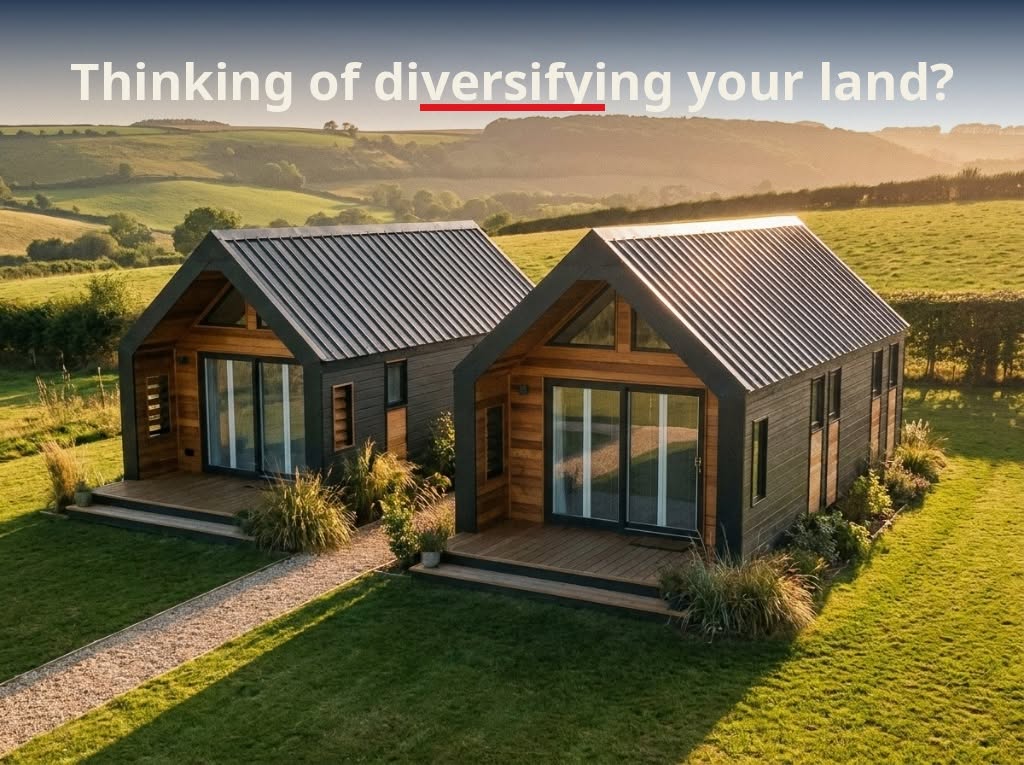
Farm diversification
Farmers and rural landowners may have suitable land that could support an additional business alongside their existing activities.
Glamping accommodation can potentially provide a new income stream without requiring the construction of a conventional holiday cottage. However, the suitability of the land, planning position, infrastructure requirements and likely operating costs must all be assessed.
Before committing to a project, consider whether the location is attractive to visitors, how guests would access the site and whether you can provide a comfortable, private environment.
Expanding an existing holiday-let business
If you already operate holiday accommodation, adding glamping cabins could help you increase capacity or introduce a different type of guest experience.
A new accommodation unit might appeal to couples seeking a countryside escape, families looking for a distinctive break or visitors wanting a more premium alternative to traditional camping.
Your existing knowledge of bookings, guest expectations and marketing can also help you evaluate the opportunity.
Starting a new glamping business
You don’t necessarily need to own a large holiday park to get started. A project can begin with a single cabin, although two or more units may offer greater scope for developing a dedicated accommodation business.
The right starting point depends on your available land, investment budget, planning constraints and the time you can devote to operating the business.
The important first step is to assess the opportunity before purchasing accommodation. A well-chosen cabin needs to work within a viable overall business plan.
2. Is a Glamping Business a Good Investment?
A glamping cabin is both a guest accommodation product and a business asset. Its financial performance depends on how successfully it attracts bookings and how much it costs to establish and operate.
Several factors influence its commercial potential.
Location: Accessibility, local attractions, scenery and the surrounding visitor economy can influence demand.
Accommodation quality: A well-designed cabin with comfortable sleeping arrangements, a bathroom and suitable kitchen facilities can appeal to guests looking for a premium stay.
Nightly rates: The price you can charge depends on your location, accommodation specification, target audience and competing options.
Occupancy: The proportion of available nights that you sell directly affects revenue.
Seasonality: Demand may fluctuate throughout the year, making winter performance an important consideration.
Operating costs: Cleaning, laundry, utilities, maintenance, booking commissions, insurance and marketing all affect profitability.
Initial investment: The cost of the cabin is only one part of the total project.
It is important to calculate potential income using realistic assumptions rather than relying on an optimistic occupancy rate or nightly price.
An illustrative glamping cabin investment
The British Pod Company has published an illustrative investment example for an Apex Mezz cabin, based on a specified purchase and site-preparation budget, a £150 nightly rate and 60% occupancy.
The example estimates an initial investment of approximately £55,000 for the cabin and site preparation. It then models annual revenue and operating costs to demonstrate how the project might perform under those assumptions.
These figures are illustrative, not a forecast or guarantee. Actual results will depend on the site, planning requirements, achievable nightly rates, occupancy, operating costs, financing and other business expenses. Anyone considering an investment should prepare their own financial model before proceeding.
The maths — Apex Mezz at 60% occupancy (illustrative)
 Pod, fitted & delivered: £47,500
 Site prep & siting: ~£7,500 (range £5,000–£10,000 depending on access)
 Total to let-ready: ~£55,000
• 365 days × 60% occupancy = 219 let-nights/year
• 219 × £150/night = ~£32,850 gross revenue
• Operating costs (~£22 per occupied night + ~£1,500 fixed) ≈ ~£6,300
• Net annual return: ~£26,500
→ Paid back in roughly 2 years. From year 3, every booking is margin.
The 12-year guarantee is the bit most people miss. An Apex isn’t a depreciating asset — it’s an appreciating one. By year 5 you’ve covered the build and cleared ~£100k net.
By year 10 you’ve cleared more, on an asset that’s still under structural warranty.
(Illustrative example. Actual returns depend on location, season, marketing and operating setup — always model with your own numbers before committing.)
3. Assess Your Land and Site Requirements
If you already own land, the next step is to establish whether it is suitable for the type of accommodation you have in mind.
There is no single minimum land area that applies to every glamping project. A site needs enough room for the proposed cabin or cabins, appropriate access and any necessary parking, while allowing for the layout and infrastructure required by the development.
You should consider the following.
Space and layout
The number of cabins you intend to install will affect how much space you need. You should also consider guest privacy, outdoor seating, landscaping, parking and the movement of vehicles around the site.
A layout that works for one cabin may not be appropriate for a larger development.
Access and delivery
The site must be accessible for the delivery and positioning of the cabin. Rural locations, narrow entrances, restricted turning areas and uneven ground may require additional planning.
The delivery requirements should be discussed with your manufacturer before finalising the site layout.
Ground conditions
The condition and level of the land will influence the type of base or foundation required. Ground preparation, drainage and any necessary piling should be assessed as part of the overall project.
Utilities and services
Depending on the proposed accommodation and site, you may need electricity, a water supply, drainage and appropriate arrangements for wastewater.
The availability and cost of connecting these services can make a significant difference to the overall investment.
The British Pod Company can help customers assess site requirements and arrange groundworks, piling and utilities as part of its wider project service.
4. Understand Planning Permission and Licensing
Planning is one of the most important issues to investigate before investing in a glamping business.
A common misconception is that every glamping pod can be installed without planning permission. In reality, the position depends on the nature of the accommodation, its intended use, the site and the applicable legal requirements.
You should establish the planning position with the relevant local planning authority before committing to a purchase or beginning site works.
Factors that may need consideration include:
- The proposed use of the land.
- The number and type of accommodation units.
- The location and layout of the site.
- Access, parking and traffic.
- Landscape and environmental considerations.
- Water, drainage and other infrastructure.
- Local planning policies and any relevant site restrictions.
Depending on the development and circumstances, caravan-site licensing or other regulatory requirements may also apply. Planning permission and site licensing are separate matters and should not be treated as interchangeable.
How The British Pod Company can help with planning
The British Pod Company offers planning support for customers developing glamping projects.
This can include assistance with pre-planning considerations, compliance with relevant regional and local requirements, and the formal planning application process.
Getting advice early can help you identify potential issues, understand what may be required and make better-informed decisions about your proposed development.
Do not assume that purchasing a cabin means you automatically have permission to use it for holiday accommodation. Establishing the position for your specific site is an essential early step.
5. Choose the Right Glamping Cabin
Your choice of cabin will influence the guest experience, the type of accommodation you can offer and the initial investment required.
Before selecting a model, consider:
- How many guests you want to accommodate.
- Whether you are targeting couples, families or larger groups.
- The level of finish you want to offer.
- Kitchen and bathroom requirements.
- Available space and site layout.
- Insulation and suitability for year-round use.
- The scope for customisation.
- Your budget and overall business plan.
A cabin designed around a premium guest experience may be suitable for a different market from a more basic accommodation unit. The right choice should reflect your intended guests and the commercial opportunity at your location.
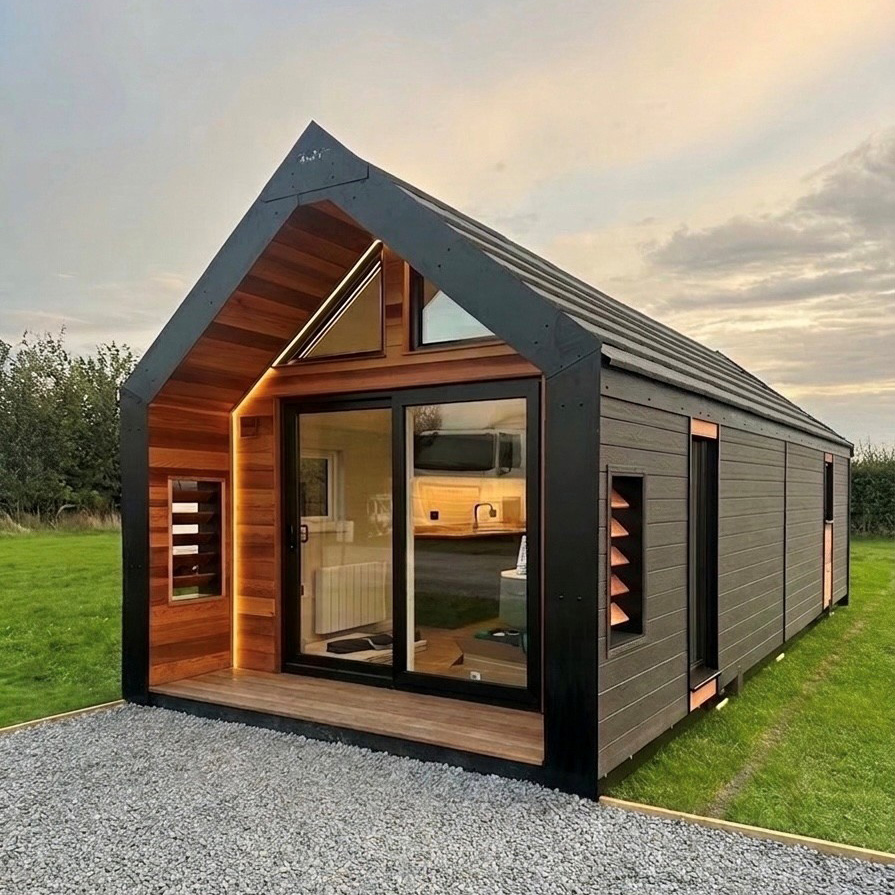
The Apex range
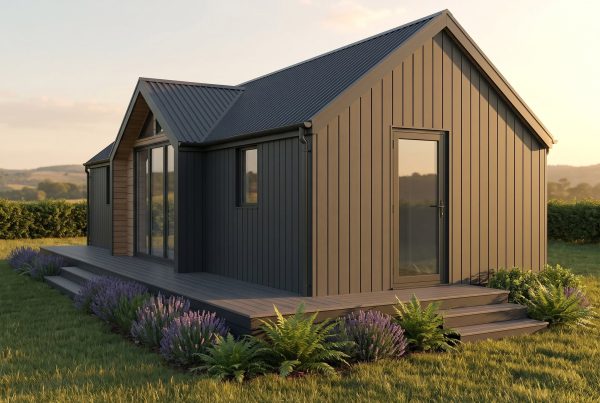
The Apex is The British Pod Company’s main-selling range. It is designed for customers seeking premium accommodation, and the Apex Mezz is the flagship model.
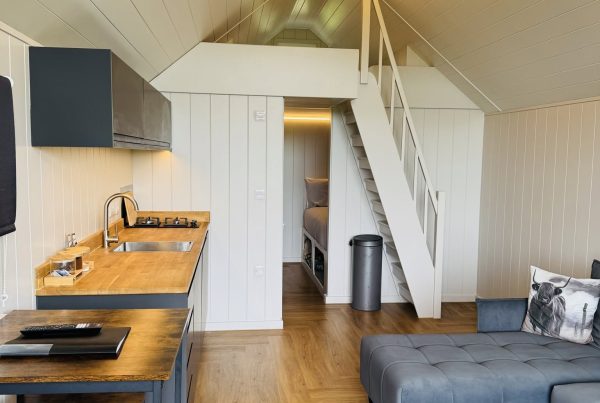
The Apex Mezz features a mezzanine sleeping floor and a fitted kitchenette and shower room. The manufacturer also publishes a detailed specification covering construction, glazing and insulation.
For landowners considering a premium glamping business, it is worth exploring the Apex range alongside your site requirements and financial model.
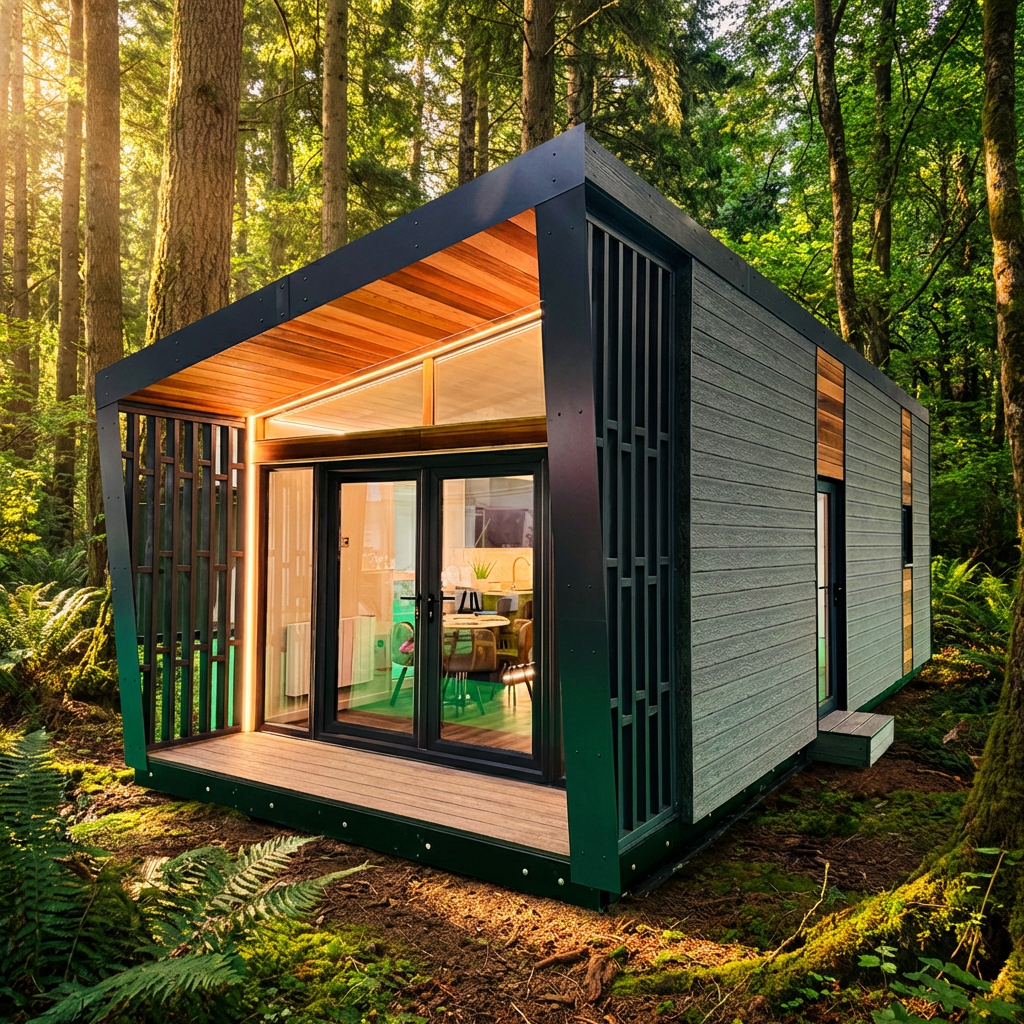
The Incline
The Incline is another key model in The British Pod Company’s range and is a popular choice among its customers.
It is worth comparing the available layouts, specification and options to establish which cabin best suits your proposed accommodation and target market.
You can discuss the Apex and Incline with the team to understand which options are most appropriate for your project.
Tip: Compare complete project costs and specifications, not just the headline cabin price. Groundworks, services, delivery, installation and optional extras can all affect the final investment.
6. Consider Insulation and Year-Round Comfort
If you intend to let your cabin throughout the year, guest comfort should be a priority.
A cabin that looks attractive in summer must also provide a comfortable environment during colder weather. Insulation, heating, glazing, ventilation and construction quality all contribute to the finished accommodation.
The British Pod Company publishes the following insulation specification for its Apex Mezz:
- Base: 200mm wool slab insulation.
- Walls: 140mm wool slab insulation.
- Roof: 120mm open-cell spray foam insulation.
The Apex Mezz also features UPVC double glazing, a fitted kitchenette and a finished shower room.
These specifications provide useful information when comparing accommodation options. However, actual energy performance and running costs will also depend on heating, ventilation, occupancy, external conditions and how the cabin is used.
When comparing manufacturers, ask for the full specification and understand what is included in the quoted price.
7. Plan Your Groundworks and Utilities
Once you have identified a suitable site and cabin, you need to establish how the accommodation will be installed and connected to the necessary services.
Depending on the site, this may involve:
- Ground preparation and levelling.
- A suitable base or foundation.
- Steel piling where appropriate.
- Electrical connections.
- Water supply.
- Drainage and wastewater arrangements.
- Access improvements.
- Parking and landscaping.
The exact requirements depend on the land, the chosen cabin and the proposed use.
This is an area where a coordinated project service can be particularly valuable. Rather than trying to organise every element independently, you can discuss the work as one overall project and understand how the different stages fit together.
The British Pod Company offers a turnkey service that can cover the project from pre-planning through to delivery and installation, with utilities, groundworks and piling arranged as required.
This can help simplify the process for first-time glamping operators who may be unfamiliar with cabin installation and site preparation.
8. Understand Delivery and Installation
Delivery is another consideration, particularly if your land is in a rural location.
Before ordering a cabin, discuss the site with the manufacturer. Access, vehicle movements, available working space and the method of offloading all need to be considered.
The British Pod Company advises that it can find delivery solutions for a wide range of locations. The practical arrangements will depend on the individual site and should be assessed before delivery is scheduled.
Once the cabin is on site and the necessary preparation has been completed, installation can be relatively quick. The British Pod Company advises that installation can be completed within a day in suitable circumstances.
That does not mean the entire project takes only one day: planning, groundworks, service connections and manufacturing must be factored into the overall programme.
Lead times also vary according to the cabin specification and the manufacturer’s workload. Ask for a current project-specific estimate before making commitments based on an intended opening date.
9. Calculate the Full Cost of Starting a Glamping Business
The cost of establishing a glamping business varies considerably. The cabin itself is an important expense, but it is only one element of the total investment.
Your budget may need to cover:
| Cost category | What to consider |
|---|---|
| Cabin | Model, specification, layout and optional extras |
| Groundworks | Preparation, foundations, piling and access |
| Utilities | Electricity, water, drainage and wastewater |
| Delivery and installation | Transport, offloading and positioning |
| Planning and professional services | Applications, advice and any required surveys |
| Outdoor space | Parking, landscaping, paths and guest seating |
| Furnishing and equipment | Any items not included in the cabin package |
| Business setup | Insurance, booking systems, photography and marketing |
| Operating reserve | Maintenance, cleaning, utilities and quieter periods |
Not every project will require every item, and some elements may already be included in a manufacturer’s package.
Ask for a clear breakdown of what is included, what is optional and what will need to be arranged separately.
You should also budget for ongoing expenses and consider how you would manage the business if bookings were lower than expected.
The objective is to understand the total cost of creating accommodation that is genuinely ready to welcome paying guests, rather than comparing cabins on their purchase price alone.
10. How Many Glamping Cabins Should You Start With?
There is no universal answer. Some landowners may begin with one cabin to test the market, while others may prefer to establish two or more units from the outset.
Starting with a single cabin can limit the initial commitment, but it is still necessary to account for the fixed costs of preparing the site and establishing the business.
A project with multiple cabins may spread some shared infrastructure costs across several units, although it will require a larger initial investment and appropriate planning.
When deciding how many cabins to install, consider:
- Your available capital.
- The suitability and capacity of your land.
- Planning requirements.
- The cost of shared infrastructure.
- Expected demand and achievable occupancy.
- The time and resources needed to manage bookings and guest turnover.
- Whether you want to expand in the future.
Build your decision around a realistic business plan rather than assuming that adding more accommodation will automatically produce a better return.
11. Choose a Manufacturer That Can Support the Whole Project
Choosing a cabin manufacturer is about more than appearance and price.
The supplier needs to understand the practical requirements of creating holiday accommodation and provide a product suitable for its intended use.
Before making a decision, ask about:
- Construction methods and materials.
- Insulation and glazing.
- Structural guarantees.
- Kitchen and bathroom specification.
- Design flexibility and customisation.
- Planning support.
- Groundworks and site infrastructure.
- Delivery and installation.
- Aftercare.
- Manufacturing experience.
- Opportunities to view a finished cabin.
The ability to coordinate the project from the initial planning stage through to installation can be especially valuable if this is your first glamping development.
Why consider The British Pod Company?
The British Pod Company manufactures its pods in Lancashire and offers a range of premium accommodation options, including the Apex and Incline.
Its service extends beyond manufacturing to include planning support, site infrastructure, delivery and installation. Groundworks, piling and utilities can be arranged according to the requirements of the project.
The company’s executive pods are backed by a 12-year structural warranty. Its connection with SR Design & Build also brings construction experience in timber-framed and eco-friendly buildings.
Customers can explore design options through the online Pod Builder and visit the company’s showroom at White Lund, Morecambe, to view finished pods before committing.
These are useful considerations when comparing suppliers, particularly if you want one point of contact for the different stages of your project.
12. What Happens After Installation?
Installing the cabin is a major milestone, but it is not the end of setting up your glamping business.
Before accepting your first booking, make sure the accommodation and site are ready for guests.
Depending on your project, this may include:
- Completing service connections and any outstanding work.
- Furnishing and preparing the accommodation.
- Checking heating, hot water and appliances.
- Arranging cleaning and laundry.
- Organising insurance and appropriate safety checks.
- Setting up a booking system and payment process.
- Preparing photographs and your accommodation listing.
- Establishing a maintenance plan.
- Confirming any applicable planning, licensing and operating requirements.
You will also need a plan for managing enquiries, guest arrivals, cleaning, repairs and customer feedback.
A good guest experience depends on the whole stay, not just the cabin itself.
13. Start Planning Your Glamping Project
Starting a glamping business can be an exciting opportunity for farmers, landowners and existing holiday-let operators. But the strongest projects begin with careful planning.
Before investing, establish whether your land is suitable, investigate the planning position, understand the full project cost and select accommodation that matches your target guests.
You should also think beyond the cabin itself. Groundworks, utilities, delivery, installation and the ongoing operation of the business all contribute to the final result.
The British Pod Company can help you explore these requirements and identify suitable cabin options, from the Apex range to the Incline.
Its turnkey service can support your project from pre-planning through to delivery and installation, helping you coordinate the practical steps involved in bringing your idea to life.
Have land and considering glamping?
Talk to The British Pod Company about your plans, your site and the type of accommodation you want to create.
You can also visit the showroom at White Lund, Morecambe, to see the pods in person and discuss your project with the team.
Frequently Asked Questions
How do I start a glamping business in the UK?
Start by assessing your land, researching the local visitor market, investigating planning and licensing requirements, and developing a realistic financial plan. Then compare suitable accommodation, site-preparation costs and installation options before committing to the project.
Do I need planning permission for a glamping cabin?
It depends on the proposed use, site and circumstances. Contact the relevant local planning authority to establish the requirements before installing a cabin or starting holiday accommodation operations. Separate site-licensing requirements may also apply.
Can I start a glamping business on farmland?
Potentially, but owning farmland does not automatically mean you can use it for glamping. You need to assess the site’s suitability and establish the applicable planning and regulatory requirements.
How much land do I need for a glamping cabin?
There is no single minimum area that applies to every project. You need sufficient space for the cabin, access and any necessary parking, as well as the layout, services and other requirements of the proposed development.
How much does it cost to start a glamping business?
The total cost depends on the cabin specification, number of units, groundworks, utilities, delivery, installation, planning and other setup expenses. Prepare a full project budget rather than considering the cabin price alone.
Can glamping cabins be used all year round?
Some cabins are designed for year-round use, but suitability depends on insulation, heating, construction, ventilation and other factors. Review the manufacturer’s specification and consider likely operating costs before making a decision.
How are glamping cabins delivered and installed?
The process depends on the cabin and site. Access, offloading, foundations and service connections need to be assessed in advance. The British Pod Company advises that installation can be completed within a day in suitable circumstances, although the wider project takes longer.
Can The British Pod Company help with planning and groundworks?
Yes. The company offers planning support and can arrange groundworks, piling and utilities as required, alongside manufacture, delivery and installation.
What guarantee does The British Pod Company offer?
The British Pod Company offers a 12-year structural warranty on its executive pods. Ask the company for the applicable warranty terms and coverage for your chosen model.