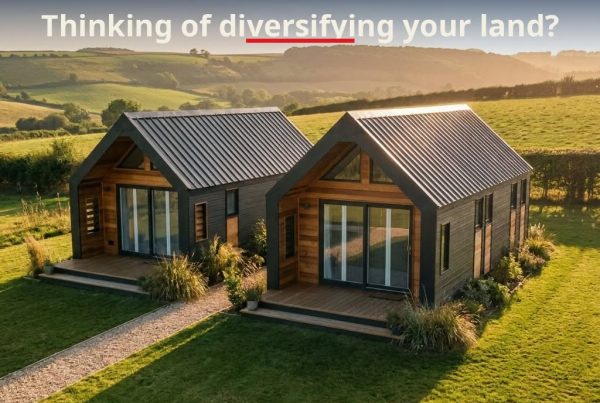

Are you a farmer or landowner looking for ways to diversify your income? Adding glamping cabins to suitable land could create an opportunity to generate revenue from holiday accommodation while making use of part of your existing property.
Glamping has the potential to offer guests a more comfortable and distinctive alternative to traditional camping. For landowners, a well-designed cabin can provide self-contained accommodation with a kitchen, bathroom, heating and sleeping facilities, creating a different proposition from a basic camping pitch.
At The British Pod Company, we manufacture premium glamping pods and holiday cabins at our Lancashire workshop. We can also support customers with planning applications, site infrastructure, delivery and installation, helping bring a project together from the initial idea through to a finished installation.
Whether you are considering a single cabin or a small glamping site, this guide explains the key things to consider, from choosing suitable land to understanding the investment and planning process.
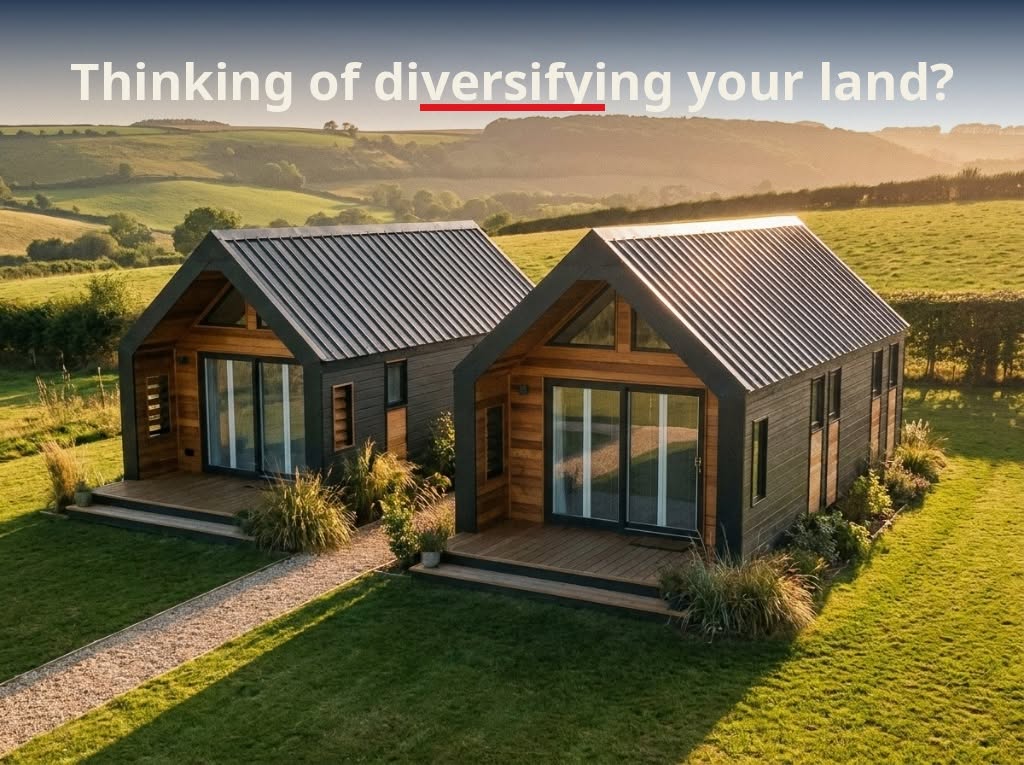
Why consider glamping as part of a farm diversification strategy?
Farm diversification involves developing additional business activities alongside traditional agricultural operations. Depending on the property, this might include holiday accommodation, visitor experiences, farm shops or other activities that make use of existing land and facilities.
Glamping accommodation is one option worth investigating if your property has an attractive setting, suitable access and potential appeal to visitors.
A well-positioned cabin could offer guests a base for exploring the surrounding countryside, visiting local attractions or enjoying a quieter rural break. The type of accommodation you provide, the location and the experience you create will all influence its appeal.
Potential advantages include:
Making use of suitable land: an appropriately located cabin may allow you to develop part of your property for a new purpose.
Offering a distinctive guest experience: a premium cabin with its own kitchen, bathroom and comfortable sleeping arrangements can appeal to guests seeking more than a traditional camping experience.
Starting on a manageable scale: you could investigate the feasibility of one cabin before deciding whether a larger development makes sense.
Developing a complementary business: accommodation may fit alongside other rural tourism activities, subject to your operational capacity and the relevant permissions.
Creating an additional revenue stream: bookings can generate income, although actual performance depends on demand, pricing, occupancy and costs.
Glamping is not a guaranteed source of profit, and a rural location alone does not ensure a successful business. Before investing, it is important to assess the site’s suitability, local competition, likely visitor demand and the total cost of establishing and operating the accommodation.
How much land do you need for a glamping cabin?
You may not need a large area of land to accommodate a single glamping cabin. The important consideration is whether there is enough suitable space for the cabin itself, safe access, any required parking and the supporting infrastructure.
For a larger development, the layout will also need to consider the relationship between cabins, guest privacy, landscaping, servicing and the overall visitor experience.
Before choosing a location, consider the following:
Access: can the delivery vehicle reach the proposed installation area, and is there enough room to manoeuvre and position the cabin safely?
Ground conditions: is the site suitable for the proposed foundation system, and will levelling, excavation or piling be required?
Utilities: how will electricity, water, drainage and other necessary services reach the cabin?
Parking: where will guests leave their vehicles without obstructing access?
Privacy and outlook: will the position offer a comfortable and attractive setting for visitors?
Planning constraints: are there designations, access restrictions or other site-specific issues that may affect the proposal?
A site visit and early feasibility assessment can help identify potential complications before you commit to a particular design.
The British Pod Company can discuss the proposed location and help assess the practical requirements for delivering and installing a cabin.
Do you need planning permission for a glamping cabin?
Planning permission is one of the most important considerations when developing glamping accommodation on agricultural or other rural land.
You should not assume that a self-contained holiday cabin can automatically be installed and used for commercial accommodation simply because you own the land. The position depends on the proposed use, the location, the design and the relevant planning rules.
Your local planning authority can advise on the requirements for your particular site. Depending on the proposal, considerations may include access, drainage, visual impact, neighbouring properties, landscape designations and the wider planning policy for the area.
For a commercial glamping project, it is sensible to investigate planning requirements before ordering a cabin or undertaking significant site works.
How can The British Pod Company help with planning?
The British Pod Company offers support with pre-planning work and formal planning applications. Depending on the project, its services can include site appraisal, feasibility work, drawings, planning documentation and coordination with relevant consultants and authorities.
This support can help you understand what may be involved in progressing your proposal and preparing the necessary information for an application.
Planning approval cannot be guaranteed, and the scope of support required will vary between sites. Early discussions are therefore valuable, particularly if you are unfamiliar with the process.
Find out more about our glamping pod planning permission services and complete project services.
What does it cost to start a glamping business with a cabin?
The cost of establishing a glamping site depends on the cabin you choose and the work needed to prepare your land. The purchase price of the accommodation is only one part of the overall investment.
You should consider the following potential costs:
- The glamping cabin and its specification.
- Delivery and installation.
- Site preparation, groundworks and foundations.
- Electricity, water, drainage and other utility connections.
- Access improvements, parking and landscaping.
- Planning applications and professional advice, where required.
- Furniture, equipment and any additional guest facilities.
- Insurance, cleaning, maintenance, marketing and booking fees.
- Finance costs, tax and other business expenses, where applicable.
Some sites will require relatively straightforward preparation, while others may need more substantial infrastructure work. The cost of site preparation can therefore vary considerably.
Obtaining a quotation that distinguishes the cabin cost from site-specific work is an important step towards understanding your total investment.
Example: investing in an Apex Mezz glamping cabin
To illustrate how the numbers might work, consider the following example based on the investment figures published by The British Pod Company.
| Illustrative item | Estimated amount |
|---|---|
| Apex Mezz pod, fitted and delivered | £47,500 |
| Site preparation and siting | £7,500 |
| Indicative initial investment | £55,000 |
The site preparation allowance is an estimate rather than a fixed price. The actual cost will depend on access, ground conditions, foundations, utilities and the work required to prepare the site.
The original investment example then uses the following operating assumptions:
| Assumption | Example |
|---|---|
| Average nightly rate | £150 |
| Occupancy | 60% |
| Occupied nights per year | Approximately 219 |
| Illustrative annual gross booking revenue | £32,850 |
| Estimated operating costs | Approximately £6,300 |
| Illustrative balance after these costs | Approximately £26,550 |
The calculation is straightforward: 219 occupied nights multiplied by £150 per night produces £32,850 in gross booking revenue. Subtracting the estimated £6,300 in operating costs leaves approximately £26,550.
These figures are an illustration, not a forecast or guarantee of performance. The 60% occupancy rate and £150 nightly rate may not be achievable in every location or season. Operating costs will also vary according to how the accommodation is managed.
The estimate should not be treated as a complete measure of profit or cash available to the owner. Before making an investment decision, allow for any costs not included in the model, such as finance, tax, booking platform commissions, major repairs, replacement of furnishings, marketing and the value of your own time.
It is also important to distinguish the time needed to recover an initial investment from the overall financial performance of a business. A simple payback calculation does not account for changes in revenue, expenditure or the value of money over time.
We recommend building a site-specific financial model using realistic local nightly rates, seasonal occupancy assumptions and a complete estimate of setup and running costs.
You can explore the original glamping cabin investment example as a starting point for your own calculations.
Choosing the right glamping cabin for your land
The right cabin will depend on your intended guests, the available space, your budget and the experience you want to offer.
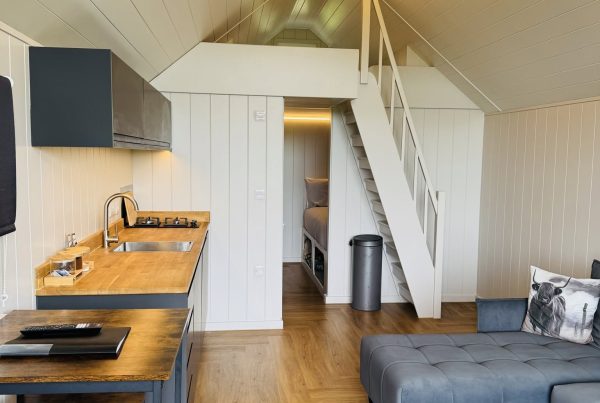
A premium, self-contained cabin can provide a different guest proposition from a more basic camping unit. Features such as a fitted kitchenette, shower room, comfortable sleeping space, insulation and double glazing may be important when planning accommodation intended for use across different seasons.
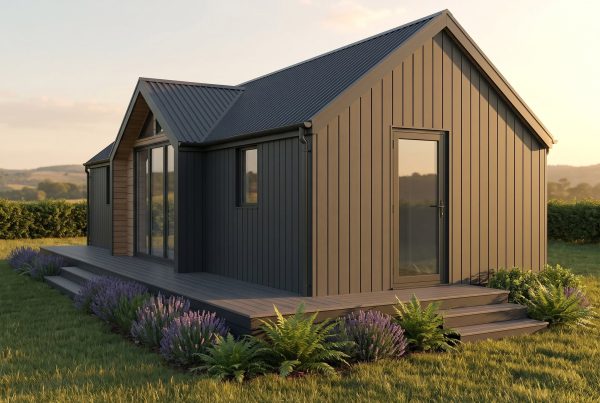
The Apex range is one option to consider. It offers a mezzanine layout and a fitted kitchenette and shower room, with different layouts available. The Apex Mezz is worth exploring if you want to investigate a cabin that makes use of vertical space for sleeping accommodation.
You can view the Apex glamping pod range to learn more about the available layouts and specification.
When comparing cabins, look beyond the headline price. Check what is included as standard, which features are optional and whether the quoted price covers delivery and installation. You should also establish what work remains to be completed on site before the accommodation can be used by guests.
The British Pod Company can discuss your requirements and help you consider the most appropriate design for your project.
Preparing the site: groundworks, foundations and utilities
Once you have identified a suitable cabin, the next step is to understand what is needed to prepare the site.
Depending on the ground conditions and the design of the installation, work may include levelling, access improvements, foundation construction, piling, drainage and utility connections.
Electricity, water and wastewater arrangements should be considered at an early stage. Their availability, the distance from existing connections and the relevant technical requirements can all influence the cost and timescale of a project.
Delivery access is another important factor. The route to the installation area, turning space, overhead obstructions and the ability to position the cabin safely should all be assessed before delivery is arranged.
The British Pod Company can help coordinate relevant site infrastructure and installation requirements as part of a wider project. The precise work required will depend on your location and the agreed scope of services.
Planning these details early can reduce the risk of unexpected costs and help you establish a more realistic overall budget.
Can a glamping cabin be used throughout the year?
Year-round operation may be possible, but it depends on the cabin’s specification, the site, the facilities provided and the type of guest experience you intend to offer.
Insulation, double glazing, heating and ventilation all contribute to indoor comfort. Water supplies, drainage and other services must also be appropriate for the conditions in which the cabin will operate.
If you intend to accept bookings during colder months, consider how the accommodation will be heated, how services will be protected against freezing where necessary, and how the cabin will be maintained between guest stays.
The Apex range includes insulated construction, double glazing and fitted facilities. The exact specification should be confirmed for the model and configuration you are considering.
A comfortable cabin is only one part of a successful year-round operation. Local demand, access during poor weather, cleaning arrangements and the cost of heating and maintaining the accommodation should also form part of your business plan.
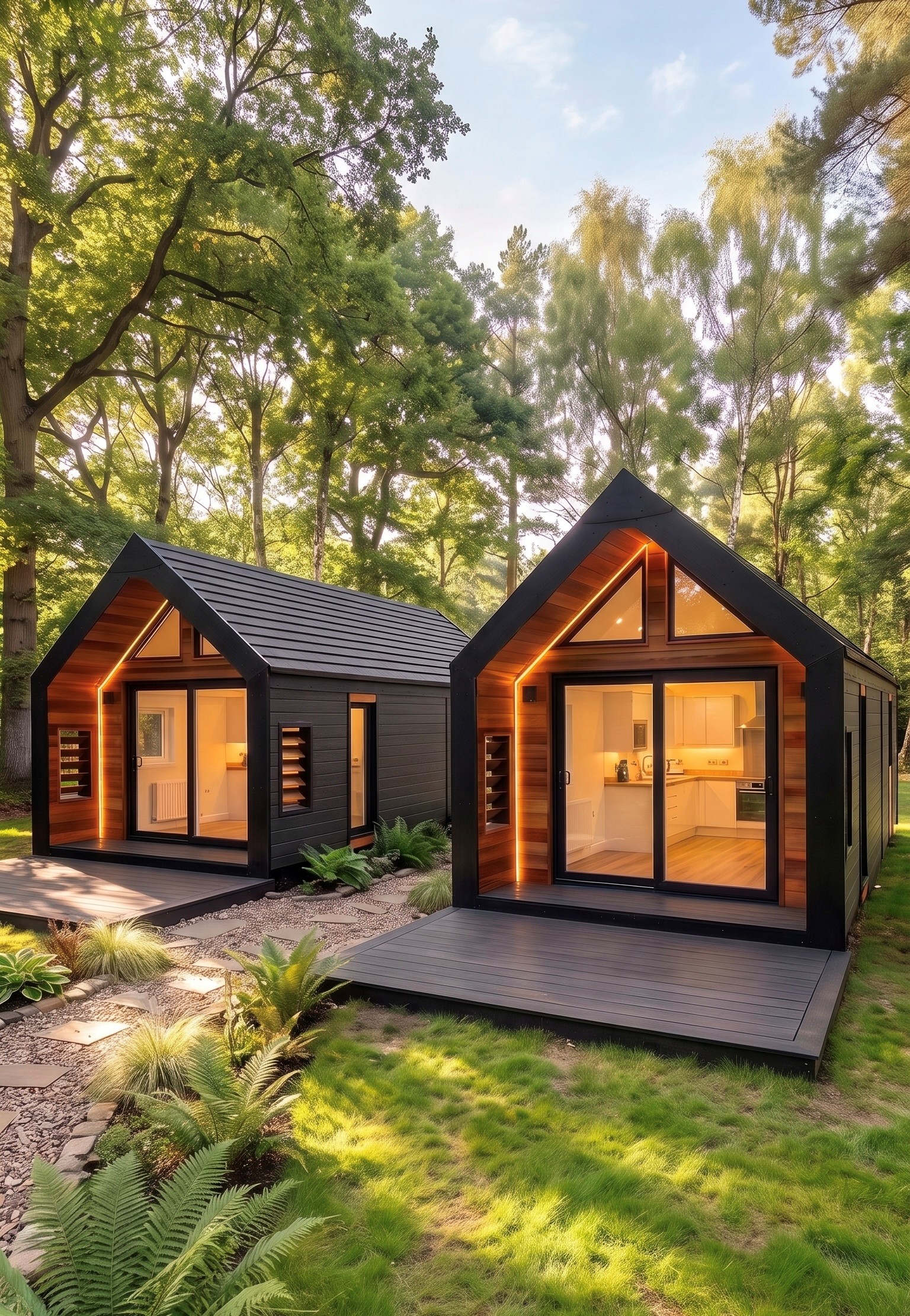
Starting with one cabin or developing a larger glamping site
There is no single approach that suits every landowner.
A single cabin may be a useful starting point where planning, demand and available capital make a small-scale project appropriate. It can also help you understand the practical demands of running holiday accommodation before considering further investment.
For other businesses, installing two or more cabins from the outset may make better use of shared infrastructure or suit an established tourism strategy. However, additional units also increase the initial investment, operating responsibilities and potential planning requirements.
Before deciding how many cabins to install, consider:
- The likely demand for accommodation in your area.
- The total budget available for cabins and site infrastructure.
- The layout and capacity of your land.
- The level of guest privacy you want to provide.
- The time and resources available to manage bookings, cleaning and maintenance.
- Whether a phased development is practical for your site and planning position.
It is worth discussing the wider plan rather than choosing a cabin in isolation. The number, location and layout of the units can affect infrastructure costs and the experience you ultimately offer guests.
Why work with The British Pod Company?
Establishing a glamping business involves more than buying accommodation. You may need to coordinate planning, groundworks, services, manufacturing, delivery and installation before your site is ready to welcome guests.
The British Pod Company manufactures pods in Lancashire and offers support across several stages of the process. Depending on your requirements, this can include planning applications, land infrastructure, cabin manufacture, insulation, delivery and installation.
Its wider services can also help customers investigate site management and booking-system options. The scope can be tailored to the project, allowing you to discuss which elements you need help with rather than assuming every site requires the same package.
For landowners who have not developed holiday accommodation before, having a clear understanding of the stages involved can make it easier to assess feasibility and budget for the project.
You can explore our complete glamping project services or visit our Apex range to begin comparing options.
Discuss your glamping project with The British Pod Company
If you are considering diversifying your land with glamping cabins, the best starting point is to understand what may be possible on your site and what the project is likely to involve.
Think about your intended guests, the space available, access, utilities, planning requirements and the budget you can commit. These details will help establish whether a single cabin or a larger development is worth investigating.
The British Pod Company can discuss your plans, explain the available cabin options and help you understand the services that may be needed to take the project forward.
Contact The British Pod Company to discuss your land, explore the Apex range and find out more about developing a glamping accommodation project.
Frequently asked questions about farm diversification with glamping cabins
Can I put a glamping cabin on my farmland?
Possibly, but owning agricultural land does not automatically mean you can install and operate a self-contained cabin for commercial holiday accommodation. The requirements depend on the proposed use, the site and the applicable planning rules. Contact the relevant local planning authority and investigate the position before committing to a purchase.
How much does it cost to start a glamping business?
The cost depends on the cabin, site conditions, foundations, utilities, access and the facilities you intend to provide. The illustrative Apex Mezz example in this article uses an initial allowance of approximately £55,000 for the fitted and delivered pod plus estimated site preparation and siting. This is not a universal price or a complete budget for every project.
How much income can a glamping cabin generate?
Income depends on the nightly rate you can achieve and the number of nights you secure bookings. For example, 219 occupied nights at £150 per night would produce £32,850 in gross annual booking revenue. This is an illustration rather than a prediction. Actual results depend on location, seasonality, demand, marketing, management and operating costs.
Do I need a large field to start a glamping business?
Not necessarily. A single cabin may fit within a relatively compact area if there is sufficient space for the cabin, safe access, any required parking and supporting services. The suitability of the land and any planning requirements still need to be assessed.
Can The British Pod Company help with planning permission?
The British Pod Company offers support with pre-planning work and formal planning applications, alongside other services that may be required for a glamping development. The appropriate scope of support depends on the site and proposal, and planning approval cannot be guaranteed.
Can I start with one glamping cabin and add more later?
That may be possible, depending on your business plan, available land and planning position. Before starting with one unit, consider whether future expansion could affect the layout, infrastructure or approvals required for the wider site.
What needs to be included in a glamping cabin?
Depending on the model and specification, a cabin may include sleeping accommodation, a kitchenette, a shower room, insulation, glazing, heating and electrical fittings. Always confirm the exact inclusions for the chosen model and establish which site works and utility connections are additional.
Can glamping cabins be used in winter?
They may be suitable for colder-season use if their insulation, heating, ventilation and services are appropriate. The exact specification and site arrangements should be checked for the cabin you choose. Year-round bookings will also depend on demand and the practicalities of operating the site in winter.